





The Mallikarjuna Jyotirlinga is the second of the twelve Jyotirlingas
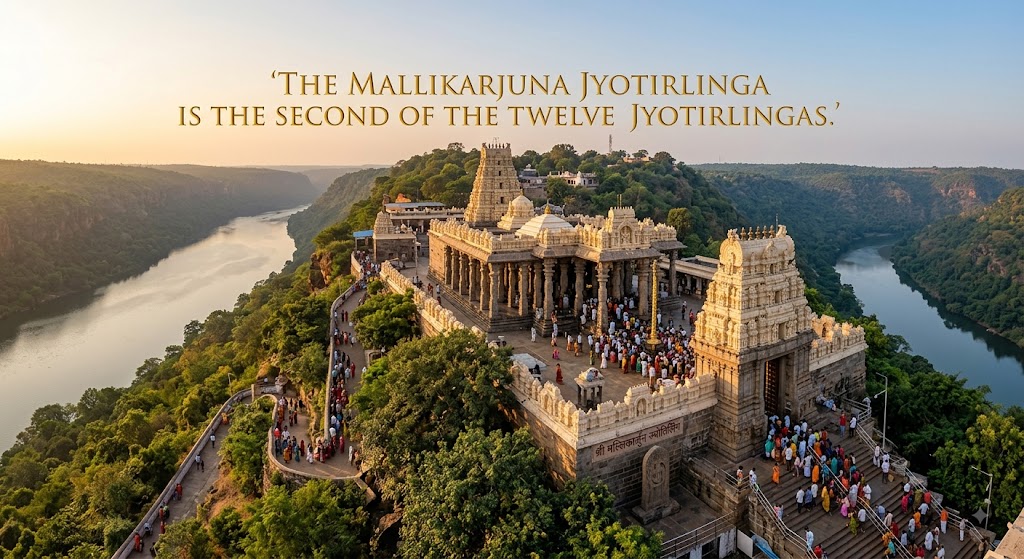
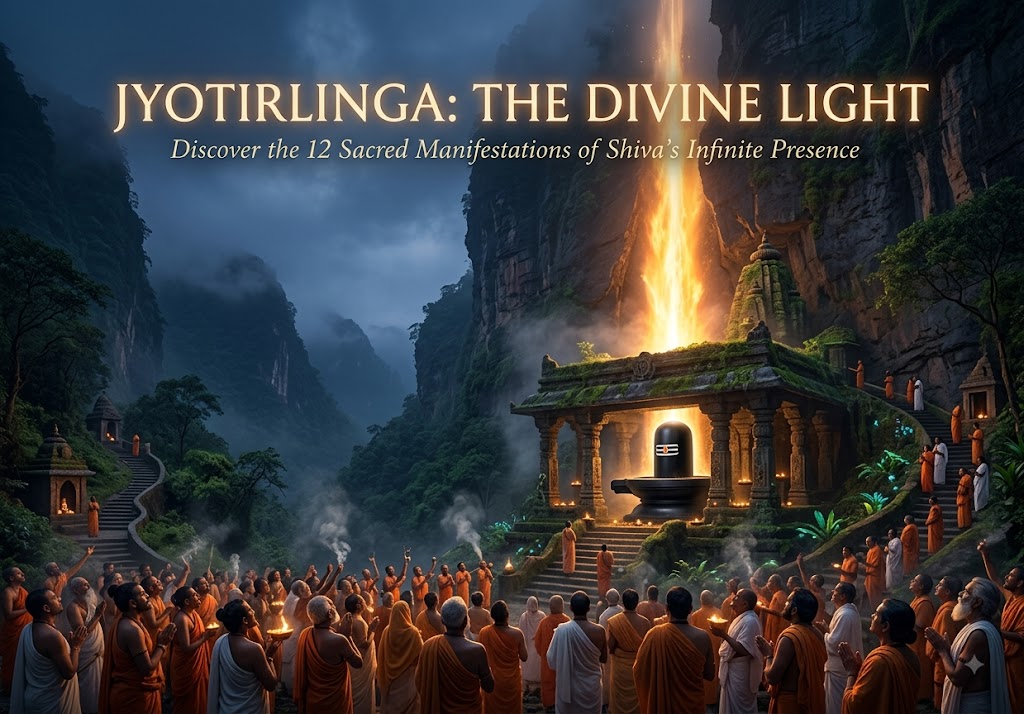
The Mallikarjuna Jyotirlinga is the second of the twelve Jyotirlingas and holds an exceptionally unique place in Hindu worship. Located on the flat-topped Srisailam mountain in the lush Nallamala Hills of Andhra Pradesh, it is affectionately known as the "Kailash of the South".
The deep significance of the Sri Mallikarjuna Swamy Temple comes from several rare spiritual and historical qualities:
1. The Rare Union of Shiva and Shakti
A Dual Holy Site: Srisailam is the only temple in India that is revered as both a holy Jyotirlinga for Lord Shiva and a Maha Shakti Peetha for Goddess Parvati.
The Meaning of the Name: The name combines both deities—"Mallika" means Jasmine (representing Goddess Parvati) and "Arjuna" is another name for Lord Shiva. Devotees come here to receive the combined blessings of protection and strength from both cosmic energies.
The Sacred Lip: According to ancient text legends, when Lord Shiva carried the body of Sati, her upper lip fell at this exact location, making it the home of Goddess Parvati in her fierce and protective form as Bhramaramba Devi.
2. The Touching Story of Family Love
A Sanctuary for a Son: According to the Shiva Purana, their son Lord Kartikeya left Mount Kailash to live alone on this mountain after losing a wisdom race around the world to his clever brother, Ganesha
Divine Comfort: Deeply saddened by their son's departure, Lord Shiva and Goddess Parvati traveled south to this forest hill to comfort him and stay close to him. Because the shrine represents the healing of a family rift, the temple's energy is believed to help bring peace, forgiveness, and understanding to family disputes.
3. Ancient History and Architectural Wonder
Dating Back Millennia: The temple's roots are incredibly old, with the earliest written stone descriptions tracing back to the Satavahana dynasty in the 2nd century AD
A Royal Legacy: Over the centuries, India's greatest dynasties—including the Chalukyas, the Vijayanagara Empire, and even the great Maratha ruler Chhatrapati Shivaji—built massive stone walls, intricate pillars, and towering gopurams (gateway towers) to honor the shrine.
4. Spiritual Liberation
The Pathala Ganga: The temple overlooks the sacred Krishna River, which flows through the deep valley below and is locally called the Pathala Ganga. Taking a holy dip here before visiting the temple is believed to completely cleanse the soul.
Instant Moksha: Ancient scriptures praise Srisailam so highly that it is said that simply visiting the hills with a pure heart can grant a devotee Moksha (liberation from the cycle of rebirth).